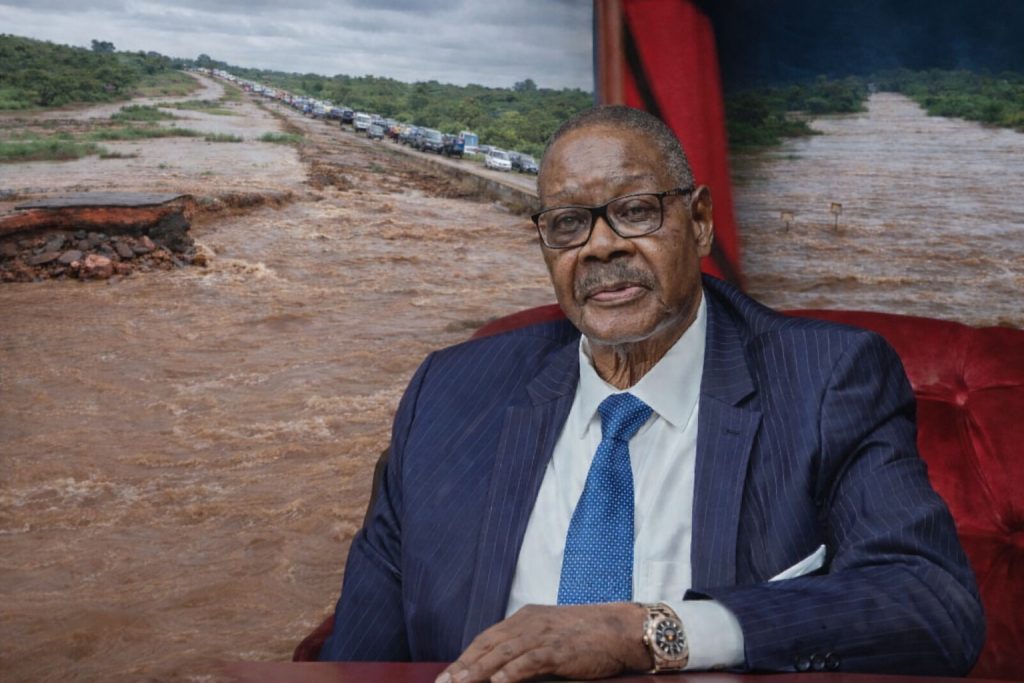
When Cyclone Freddy tore through Malawi’s Southern Region in 2023, it left behind more than broken bridges, ripped roads and shattered homes.
The disaster left Malawi as one of the countries hardest hit by climate change as funds meant to help communities prepare, adapt and recover remain slow, scanty and often out of reach.
Global pledges to support least developed countries (LDCs) respond to climate-induced emergencies have become a lifeline for the nation frequently haunted by erratic rainfall, prolonged droughts and flooding.
As disasters become more frequent and severe, the country urgently requires resources to protect farmers, rebuild ecosystems and strengthen community resilience.
Yet for many actors working on the frontline, accessing the money pledged during global gatherings remains a daily struggle.
Drying aid taps affect civil society organisations, youth movements, women’s groups and community-based initiatives that drive climate action, including climate-smart agriculture, landscape restoration, riverbank protection, disaster preparedness and sustainable livelihoods.
Financial uncertainties leave these initiatives shrinking and fragile.
Women Network on Climate Action in Malawi (Wonecam) communications manager Taonga Kayira says limited and inconsistent financing continues to undermine the impact of local organisations.
“We have ideas, community trust and solutions, but what we do not have is consistent financial support to expand our work,” she states.
Developed countries, which contribute a lion’s share of the gasses that fuel global warming, have pledged billions of dollars to help vulnerable nations adapt to climate change and greenhouse emissions.
Malawi has received some of this funding through projects supported by the Green Climate Fund, the Global Environment Facility and United Nations agencies.
However, local organisations say the funds rarely reach them directly.
They bemoan that climate finance remains concentrated at national or international levels, managed by large, multinational institutions with complex systems.
The local actors on the receiving end of the pledged climate funds laments lengthy approval processes that exclude smaller grassroots groups, especially community-based organisations and local non-governmental organisations.
“It is difficult for emerging organisations and networks to understand the donor language to secure funding,” Kayira added. “We are talking about strict donor requirements, lengthy technical proposal processes, detailed financial reporting and complex monitoring frameworks that create barriers that many groups struggle to overcome. As a result, we depend on short-term grants that end just as projects begin to show impact.”
The result is fragmented climate action pilot projects that fail to scale, innovations that cannot be sustained and communities that remain vulnerable despite repeated interventions.
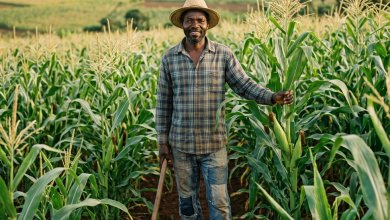
The consequences are felt most sharply at community level. In flood-prone districts such as Nsanje and Chikwawa, farmers often receive emergency relief after disasters but little support to prevent future losses. In drought-affected areas such as Kasungu and Mchinji, prolonged dry spells continue to threaten maize production, yet access to irrigation, drought-tolerant seeds and reliable climate information remains limited.
“Women are doing a lot of work on the ground, but they are rarely trusted with direct funding. This limits innovation, ownership and long-term impact,” says Kayira.
Government acknowledged gaps in climate finance coordination and access, but says efforts are underway to improve transparency, strengthen planning and integrate climate considerations into national budgeting.
Policymakers are also exploring private sector participation in climate financing and sustainable business practices.
Ministry of Gender, Children, Disability and Social Welfare chief gender and development officer Chimwemwe Grace Kussein acknowledges that government funding for climate initiatives remains limited.
“Government alone finds it difficult to financially support these organisations to achieve their objectives. That is why we work with relevant stakeholders to lobby for financial resources to support such initiatives,” she says.
At its core, the demand for greater funding for least developed countries to tackle the climate crisis is a call for fairness and social justice.
LDCs such as Malawi contribute very little to global greenhouse gas emissions that fuel climate change, yet carry a heavy burden of its disastrous impacts.
For climate action organisations, the struggle is not about charity. It is about climate justice, equity and the right of vulnerable communities to survive and thrive in a changing climate.
President Peter Mutharika ranks climate change as one of the new challenges rocking Malawi’s fragile economy.
He told new deputy ministers last month: “Our country is suffering the severe impact of climate change. Of late, we have seen devastating floods that have claimed lives and caused huge damage to infrastructure.
“This is a clear threat to the socio-economic progress of our country. I urge you to find workable solutions to these challenges as we gain traction with economic recovery.”
Speaking at last year’s Global Shield against Climate Risks National Workshop held in Lilongwe, Civil Society Network on Climate Change national coordinator Julius Ng’oma, observed that effective climate and disaster risk finance strategies must be rooted in local realities and designed in consultation with the communities they intend to serve.
“When communities are part of the process, outcomes are not only more sustainable but also more impactful,” he said, adding climate financing should be adequate, predictable, accessible and sustainable.
African leaders are increasingly framing climate finance as a legal obligation and investment in global stability, not charity.
They demand $1.3 trillion annually by 2030–2035 to combat disproportionate climate impacts.
In a statement read at the end of the second Africa Climate Summit r, the continent sent a clear and united message ahead of the United Nations climate talks in Brazil: “We have embraced the powerful truth Africa is not a passive recipient of climate solutions, but the actor and architect of these solutions.
“We sent a clear and united message ahead of CoP30: Africa’s climate finance demands are not charity appeals. It is a call for equity, for justice and shared global responsibility”.